REWIND The 1990s

1912 · 1997

Titanic

A generation knows this story because of a film. The film is why you know the ship — so start there, then go back to the thing it was about.

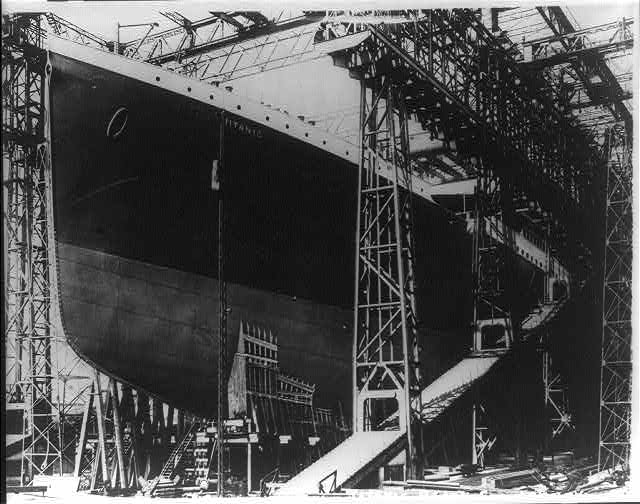
The Titanic on the slipway at Harland & Wolff before her launch in 1911

Titanic on the slipway at Harland & Wolff, Belfast, before launch. 1911. Library of Congress, Prints & Photographs Division

882 ft
Length overall
~2,224
Aboard on the maiden voyage
20
Lifeboats, for a ship certified to carry more
11
Academy Awards for the 1997 film

December 1997

Why you know this story

James Cameron's Titanic opened on 19 December 1997 and then simply refused to leave. It held the number-one position at the American box office for fifteen consecutive weekends — a run no film has matched since — and became the first release to take more than a billion dollars worldwide.

At the 70th Academy Awards it won eleven Oscars, tying Ben-Hur for the most ever awarded to a single film. Céline Dion's "My Heart Will Go On" took Best Original Song and spent the winter inescapable. The two-tape VHS set arrived the following year and lived next to a great many television sets.

None of which is why the ship matters. But it is why the ship is remembered, and that is worth being honest about: for most people alive now, the route into 1912 runs through 1997.

Belfast, 1909–1912

The ship they actually built

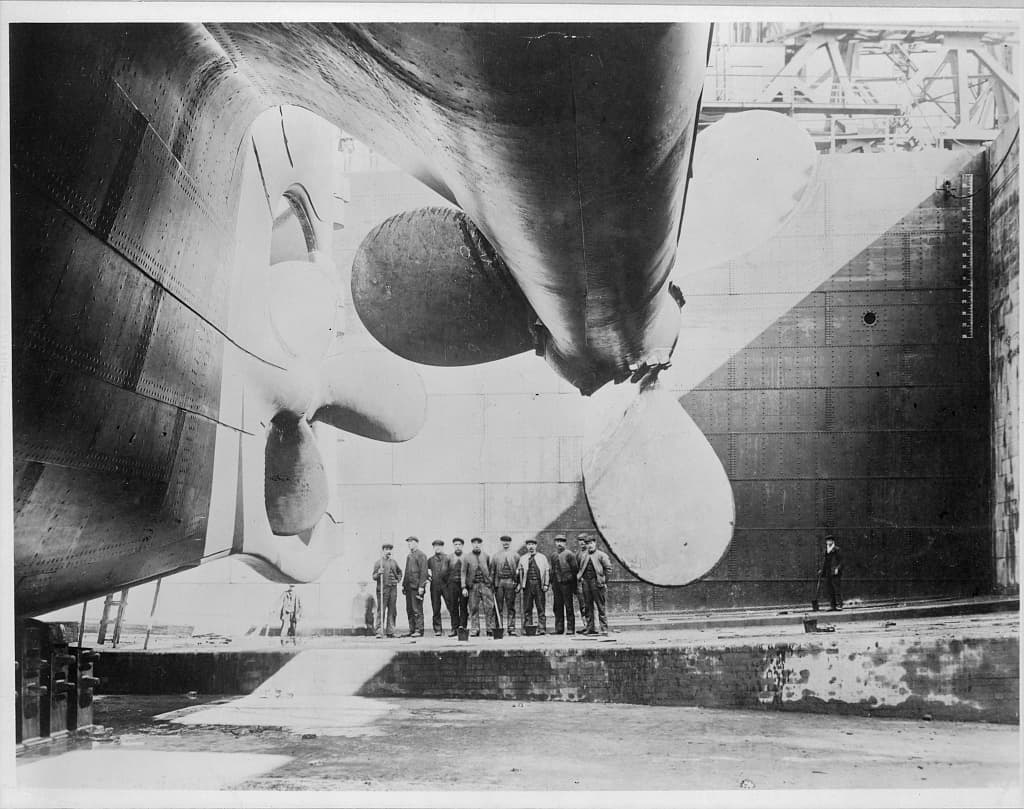
Titanic was the second of three Olympic-class liners built by Harland & Wolff in Belfast for the White Star Line. White Star had decided not to try to out-run Cunard's faster ships and to out-scale them instead — more room, more comfort, more spectacle.

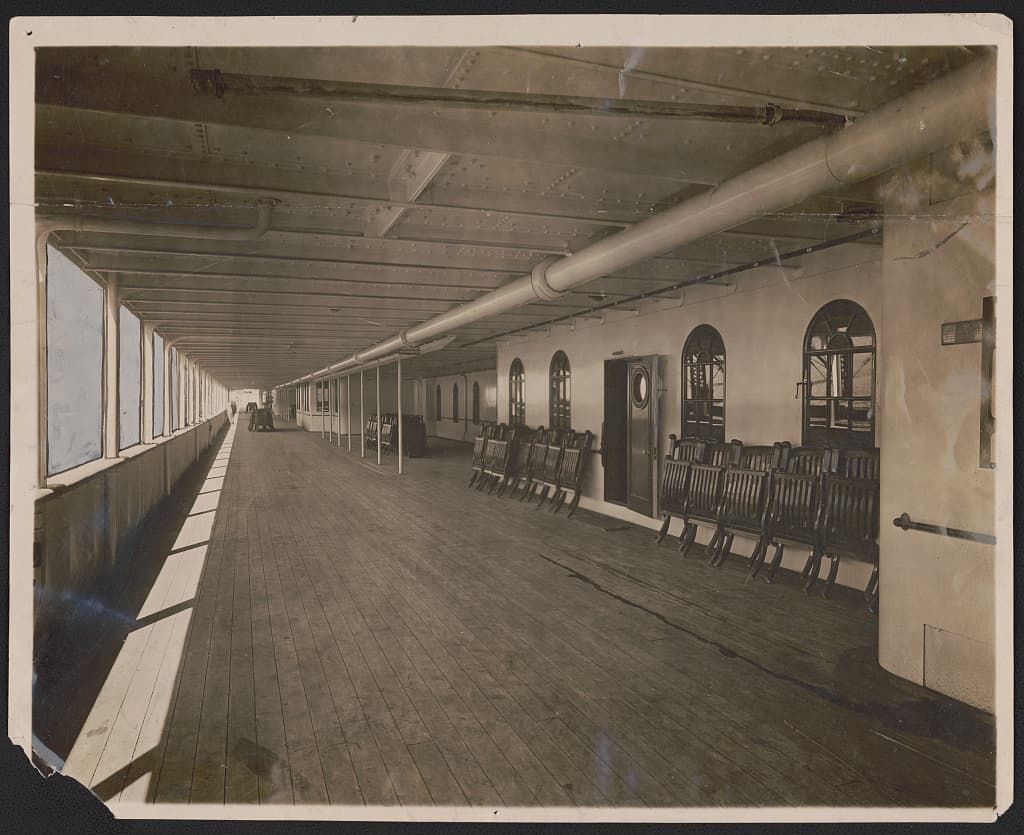
First class got a swimming bath, Turkish baths, a squash court, a Café Parisien and the wrought-iron and glass dome above the forward staircase. The promenade decks below were the part most passengers actually experienced, and the part most photographs show.

The ship was widely described in the press as practically unsinkable. That phrase did not come from her builders as a guarantee; it came from trade papers and was repeated until it hardened into a claim nobody had quite made.
The man in the crow's nest

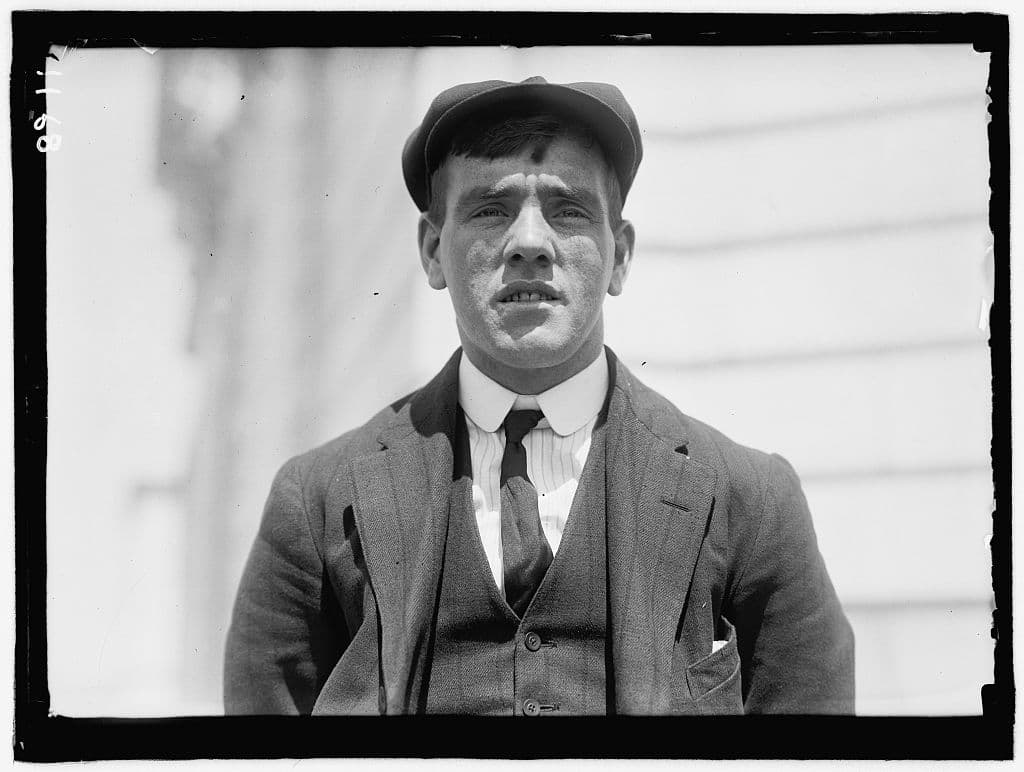
Frederick Fleet

Fleet was twenty-four, and on the night of 14 April he was in the crow's nest with no binoculars — they had been mislaid before the ship left Southampton. At about 11:40 pm he saw something dark ahead, rang the lookout bell three times, and telephoned the bridge.

He survived, gave evidence to both the American and British inquiries, and spent the rest of his life being asked about ninety seconds of it.

1985 and after

Found

The wreck was located on 1 September 1985 by a joint French–American expedition under Robert Ballard and Jean-Louis Michel, using the towed sled Argo. It lay about 12,500 feet down, and it lay in two pieces — confirming survivor accounts that the ship had broken apart, which the 1912 inquiries had largely dismissed.

The bow and stern sit roughly a third of a mile from one another. The site is now treated as a maritime memorial.

Sequence

The night of 14–15 April 1912

  1. 11:40 pm
    Iceberg

    Frederick Fleet sights ice dead ahead and telephones the bridge. The ship turns, but contact along the starboard side opens her forward compartments to the sea.

  2. 12:05 am
    The lifeboats are uncovered

    Having been told by Thomas Andrews what the flooding means, Captain Smith orders the boats uncovered and the passengers mustered.

  3. 12:45 am
    First boat away

    Lifeboat 7 is lowered carrying far fewer people than it can hold. Several early boats leave partly empty.

  4. 2:05 am
    The last boat

    The final collapsible leaves. More than 1,500 people are still aboard.

  5. 2:20 am
    The ship founders

    Titanic breaks apart and sinks. The water is around freezing; almost no one in it survives long.

  6. 4:10 am
    Carpathia

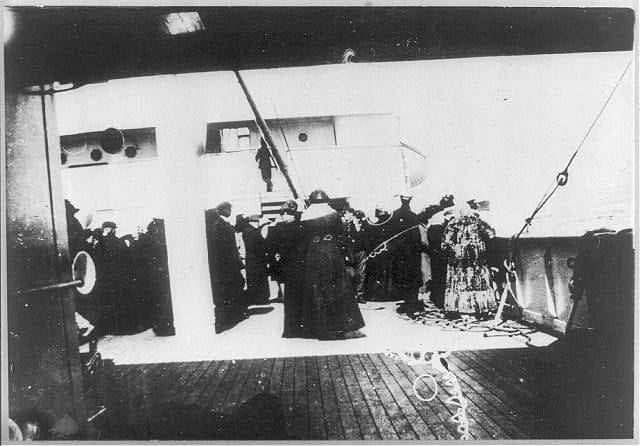
    The Carpathia, having run through ice for hours after hearing the distress calls, begins taking survivors aboard. She recovers about 705 people.

Times are ship's time and come from the 1912 inquiries; accounts differ by a few minutes in places.

Where this came from